
Reclaim Your Mobility: Why Joints Ache With Age (And How to Reverse It)
Why Your Joints Ache as You Age (And What Actually Helps)
Introduction
You've accepted it as inevitable. And that's the biggest mistake you're making.
That morning stiffness. The creaky knees when you stand up. The dull ache in your hips after a long walk. If you're over 30, you've probably started to notice these signs. And like millions of others, you've likely convinced yourself: "This is just what happens when you get older. I have to accept it."
But that acceptance is costing you everything.
Here's what's really happening: You're not experiencing the natural consequences of aging. You're experiencing the consequences of choices you didn't even know you were making. Poor posture at your desk. Inflammatory foods you eat without thinking. A sedentary lifestyle disguised as "being busy." Excess weight that's silently crushing your joints. These aren't inevitable. They're escapable.
The joint pain trap is real. And the industry is counting on you staying trapped.
Every year, millions of people accept joint pain as their new normal. They buy expensive pain relievers. They limit their activities. They stop doing the things they love. They resign themselves to a slower, more restricted life. And the supplement industry profits from their resignation—selling them products that don't work while they suffer in silence.
But here's the brutal truth: 95% of people with joint pain never discover the actual escape plan. Not because it doesn't exist. But because they're looking in the wrong places. They're looking for magic pills instead of understanding the seven proven ways that actually work.
This is the escape plan. It's not complicated. It's not expensive. It's not a secret. But it works because it addresses the real causes of joint pain—not the symptoms, but the root mechanisms that are destroying your joints right now.
You'll discover why your joints ache (it's not just "age"), what's making it worse (and how to stop immediately), and the seven proven escapes that actually deliver results. You'll learn which supplements have real science behind them, which lifestyle changes create the fastest relief, and how to rebuild your mobility without accepting limitations.
If you're tired of accepting joint pain as your fate, of watching your mobility disappear, or of believing that this is just "what happens"—this is where you stop accepting and start escaping.
The Real Reason Your Joints Hurt
It's easy to blame "age" for every ache, but the truth is more nuanced. Your joints are complex structures, and years of use, combined with various lifestyle factors, can lead to specific changes that cause pain.
The primary culprit is often the breakdown of cartilage. Cartilage is the smooth, rubbery tissue that covers the ends of your bones where they meet to form a joint. It acts as a shock absorber and allows bones to glide effortlessly over each other. Over time, this cartilage can start to wear down, thin out, or even develop tiny cracks. When this happens, the bones begin to rub directly against each other, leading to friction, pain, and inflammation.
Another factor is the reduction in synovial fluid. This fluid lubricates your joints, much like oil in an engine, reducing friction and providing nutrients to the cartilage. As we age, the production of this fluid can decrease, making joints feel stiffer and less mobile.
Inflammation also plays a significant role. When cartilage breaks down, the body's immune system can respond by sending inflammatory cells to the joint. While inflammation is a natural healing response, chronic low-grade inflammation can actually damage joint tissues further, creating a vicious cycle of pain and deterioration.
Furthermore, a decline in muscle mass (sarcopenia) impacts joint health. Strong muscles surrounding a joint provide stability and support. When these muscles weaken, the joint bears more stress, increasing the risk of pain and injury. Think of your muscles as natural shock absorbers and stabilizers; without them, your joints take the brunt of every movement.
Finally, the cumulative effect of years of use (and misuse) cannot be ignored. Repetitive motions, old injuries, poor posture, and even carrying excess weight all contribute to the wear and tear on your joints over decades. It's not just one thing, but often a combination of these factors that leads to the persistent joint pain relief you're seeking.
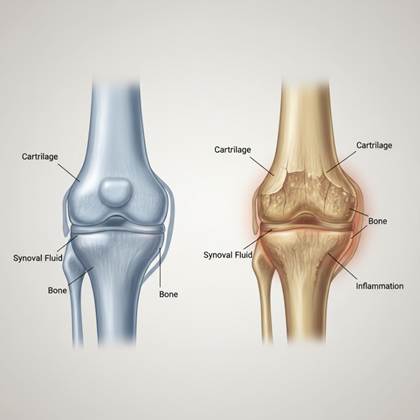
5 Types of Joint Pain (Not All the Same)
Not all joint pain is created equal. Understanding the specific type of pain you're experiencing can help you find the right joint pain relief strategies.
1. Osteoarthritis (Wear and Tear)
This is the most common form of arthritis, often associated with aging. It's a degenerative condition where the cartilage cushioning the ends of bones wears away.
- Who gets it: Typically affects people over 50, but can occur earlier due to injury or obesity.
- Key symptoms: Pain that worsens with activity and improves with rest, stiffness after periods of inactivity (especially in the morning), tenderness, loss of flexibility, grating sensation.
- Quick Check Questions: Do your joints feel stiff after you wake up, but improve within 30 minutes of moving?
- Does your pain get worse throughout the day or after physical activity?
- Do you feel a grinding or clicking sensation in your joints?
2. Rheumatoid Arthritis (Autoimmune)
Unlike osteoarthritis, RA is an autoimmune disease where your body's immune system mistakenly attacks the lining of your joints, causing painful swelling that can eventually lead to bone erosion and joint deformity.
- How it differs: OA is "wear and tear"; RA is an immune system attack. RA often affects smaller joints (hands, feet) symmetrically, while OA can be asymmetrical.
- Warning signs: Persistent joint pain, swelling, and stiffness (especially in the morning, lasting over an hour), fatigue, low-grade fever, loss of appetite.
- When to see a doctor: If you experience persistent, unexplained joint pain, swelling, and stiffness, particularly if it affects multiple joints and is accompanied by fatigue. Early diagnosis and treatment are crucial for RA.
3. Post-Injury Joint Pain
An old sports injury, a fall, or even a seemingly minor accident can set the stage for future joint pain. The initial injury might heal, but it can alter joint mechanics or accelerate cartilage damage.
- Old injuries coming back: A sprained ankle from years ago might now ache in cold weather, or a knee injury from youth could lead to early-onset osteoarthritis.
- What happens: The initial trauma can damage cartilage, ligaments, or menisci, leading to instability or uneven wear over time.
- Management approach: Focus on strengthening surrounding muscles, improving stability, and potentially joint health supplements to support cartilage repair.
4. Repetitive Strain
Modern lifestyles often involve repetitive motions, whether it's typing on a keyboard, using a smartphone, or performing certain tasks at work. These can lead to overuse injuries.
- Modern lifestyle culprit: Prolonged sitting, poor ergonomics, constant phone use.
- Common affected joints: Wrists (carpal tunnel), elbows (tennis/golfer's elbow), shoulders, neck, and lower back.
- Prevention focus: Ergonomic adjustments, regular breaks, stretching, and strengthening exercises.
5. Inflammatory Joint Pain
This type of pain is often linked to systemic inflammation in the body, which can be triggered by diet, lifestyle, and other health conditions.
- Diet and lifestyle triggers: High intake of processed foods, sugar, unhealthy fats, lack of sleep, chronic stress.
- Systemic inflammation: When the body is in a constant state of low-grade inflammation, it can manifest as pain and stiffness in the joints, even without a specific injury or autoimmune condition.
- Reversible factors: Adopting an anti-inflammatory diet, managing stress, improving sleep, and incorporating regular, gentle exercise can significantly reduce this type of pain.
What Makes Joint Pain Worse
Understanding what exacerbates joint pain relief is just as important as knowing its causes. Many everyday habits can unknowingly contribute to your discomfort.
- Excess Weight: Every extra pound you carry puts additional stress on your weight-bearing joints, especially your knees, hips, and spine. For every pound of body weight, your knees feel 4 pounds of pressure. This mechanical overload accelerates cartilage wear and tear and increases inflammation.
- Sedentary Lifestyle: While rest is important, too little movement can actually worsen joint pain. Lack of activity leads to weaker muscles around your joints, reducing their natural support. It also decreases the circulation of synovial fluid, making joints stiffer and less nourished.
- Inflammatory Foods: Your diet plays a huge role in systemic inflammation. Foods high in sugar, refined carbohydrates, unhealthy trans fats, and processed ingredients can trigger an inflammatory response throughout your body, directly impacting your joints.
- Poor Posture and Movement Patterns: Slouching, hunching over a computer, or using incorrect form during exercise can put undue stress on your joints and spine. Over time, these poor habits can lead to misalignment, muscle imbalances, and chronic pain.
- Ignoring Early Warning Signs: Pushing through persistent aches, stiffness, or minor swelling without addressing the root cause can lead to more significant damage down the line. Early intervention is key to preventing progression.
- Overdoing It When You Feel Good: It's tempting to jump back into intense activity when you have a good day, but suddenly increasing your activity level can overload recovering joints and trigger a flare-up. Gradual progression is always best.

7 Things That Actually Help Your Joints
The good news is that you have significant control over your joint health. By adopting these science-backed strategies, you can find substantial joint pain relief and improve your quality of life.
1. Movement Is Medicine
It might seem counterintuitive, but moving your joints is crucial for their health.
- Low-impact options: Activities like swimming, cycling, walking, and yoga keep your joints mobile without excessive impact. Aim for at least 30 minutes most days.
- Strength training importance: Strong muscles provide vital support and stability to your joints. Focus on exercises that strengthen the muscles around your affected joints.
- Daily motion routine: Incorporate gentle stretches and range-of-motion exercises into your daily routine, especially in the morning.

2. Anti-Inflammatory Nutrition
What you eat directly impacts your body's inflammatory response.
- Omega-3 rich foods: Fatty fish (salmon, mackerel), flaxseeds, chia seeds, walnuts. These help reduce inflammation.
- Colorful vegetables and fruits: Rich in antioxidants and phytonutrients that combat inflammation. Aim for a variety of colors.
- Foods to reduce: Cut back on processed foods, sugary drinks, refined carbohydrates, and unhealthy trans fats, which fuel inflammation.
3. Maintain Healthy Weight
This is one of the most impactful changes you can make for joint pain relief.
- Every pound matters: Losing even a small amount of weight can significantly reduce the stress on your knees and hips.
- Sustainable approach: Focus on gradual, sustainable weight loss through diet and exercise, rather than crash diets.
4. Supportive Supplements
While not a magic bullet, certain joint health supplements can provide valuable support for cartilage health and reduce inflammation.
- Glucosamine and Chondroitin: These are natural components of cartilage. Some studies suggest they can help slow cartilage breakdown and reduce pain, particularly in moderate osteoarthritis.
- MSM (Methylsulfonylmethane): A sulfur compound that may help reduce pain and inflammation.
- Turmeric/Curcumin: A powerful anti-inflammatory spice. Look for supplements with enhanced bioavailability (e.g., with piperine).
- Collagen Peptides: Provides amino acids that are building blocks for cartilage and connective tissues.
- What the research says: While individual results vary, many people find relief with consistent use. Always choose high-quality supplements from reputable brands.
5. Heat and Cold Therapy
Simple, accessible, and effective for temporary relief.
- When to use each: Use heat (warm bath, heating pad) for stiffness and muscle aches. Use cold (ice pack) for acute pain, swelling, and inflammation.
- Practical application: Apply for 15-20 minutes at a time.
6. Proper Footwear and Ergonomics
Your foundation and environment matter.
- Foundation of joint health: Wear supportive, well-cushioned shoes that fit properly. Avoid high heels or worn-out footwear.
- Workplace adjustments: Ensure your desk, chair, and computer are set up ergonomically to support good posture and reduce strain on your neck, back, and wrists.
7. Listen to Your Body
Pay attention to what your joints are telling you.
- Rest when needed: Don't push through sharp or increasing pain. Allow your body time to recover.
- Progress, not perfection: Gradually increase activity levels. Some days will be better than others; be patient with yourself.
[Image: Person doing gentle stretches, a plate of healthy food, and a bottle of joint health supplements]
What NOT to Do
When dealing with joint pain relief, some actions can actually make things worse or delay proper healing.
- Push through sharp pain: Pain is your body's warning signal. Ignoring sharp, stabbing, or increasing pain can lead to further injury and damage.
- Rely only on painkillers: While pain relievers can offer temporary relief, they don't address the root cause of your joint pain. Over-reliance can mask symptoms and prevent you from making necessary lifestyle changes.
- Assume it's "just age": While age is a factor, debilitating pain is not a normal part of aging. Dismissing your symptoms can delay diagnosis and treatment for conditions that are manageable.
- Wait until it's severe: Early intervention is key. Addressing joint issues when they are mild can prevent them from progressing to more severe and harder-to-treat conditions.
- Ignore morning stiffness: Persistent morning joint stiffness that lasts for more than 30 minutes can be a sign of underlying inflammation or arthritis and should be investigated.
When to See a Doctor
While many strategies for joint pain relief can be managed at home, there are specific red flags that warrant a visit to your doctor.
- Swelling, redness, or warmth around the joint: These can indicate inflammation, infection, or an autoimmune condition.
- Pain that wakes you up at night: This is often a sign of more significant inflammation or damage.
- Limited range of motion: If you can't fully bend or straighten a joint, or if movement becomes severely restricted.
- Sudden, severe pain: Especially after an injury.
- Pain accompanied by fever, unexplained weight loss, or extreme fatigue: These could be signs of a systemic illness.
- Family history considerations: If you have a family history of autoimmune arthritis (like RA), be extra vigilant.
The Bottom Line
Joint pain relief as you age is a journey, not a destination. While aches and stiffness can be common, they don't have to define your life. By understanding the underlying causes and proactively implementing lifestyle changes, you can significantly improve your joint health and reduce discomfort. Small, consistent changes in your diet, activity levels, and supplement regimen compound over time, leading to remarkable improvements. It's never too late to start taking care of your joints, and consistency truly beats intensity when it comes to long-term well-being. Empower yourself with knowledge and action, and you can continue to live an active, fulfilling life.
Conclusion
You don't have to accept joint pain as an inevitable part of aging. By focusing on movement, anti-inflammatory nutrition, maintaining a healthy weight, and incorporating targetedjoint health supplements, you can actively support your joints and find lasting relief. Take control of your joint health today and move with greater ease and comfort.
Ready to support your joints?
The Final Word
Living with daily stiffness is a choice, not a life sentence. By nourishing your joints with the right science-backed compounds, you can regain your mobility and get back to doing what you love without the constant ache.
And if you have no further questions about this product, proceed directly to the bottom of the next page to order yours!
Related Articles:
- Why Your Joints Ache as You Age (And What Actually Helps)
- Best Supplements for Joint Health What Science Actually Supports
- Morning Stiffness Why It Happens and How to Fix It
- Exercises for Joint Health Move Without Pain