
Understanding the Silent Saboteurs of Your Health
Introduction
You're caught in a trap. And you didn't even know it was there.
Every single day, you're doing things that seem completely normal. Innocent, even. You sleep less than you should. You reach for sugary snacks without thinking. You're stressed about work, money, relationships. You sit at your desk for hours. You eat processed foods because they're convenient. These aren't mistakes. They're just... life, right?
But here's what you don't realize: these five habits are systematically destroying your immune defenses.
Your body is under attack right now. Not from some external enemy you can see or fight. But from the inside. From the daily choices you make without even thinking about them. And the worst part? Your immune system is getting weaker every single day you continue these habits.
This isn't about being sick or weak. It's about the silent sabotage happening in your body while you go about your day. Your white blood cells are being paralyzed by sugar. Your immune cells are being suppressed by stress hormones. Your gut—where 70% of your immune system lives—is being damaged by processed foods. Your body's defenses are being systematically dismantled.
And you're doing it to yourself.
Here's the brutal truth: 95% of people don't realize these five habits are the reason they catch every cold, recover slowly from illness, and feel constantly run down. They blame bad luck. They blame genetics. They blame aging. But the real culprit is staring them in the mirror.
The immunity trap is real. And the health industry is counting on you staying trapped—selling you expensive supplements and medications to mask the symptoms instead of addressing the root cause.
But here's the breakthrough: you can escape this trap.
This guide reveals exactly which five daily habits are destroying your immune defenses, the science behind why they're so damaging, and—most importantly—how to stop immediately. You'll discover why sleep deprivation paralyzes your infection-fighting cells, how sugar suppresses your immune response for hours, why stress is literally killing your defenses, what sedentary living does to your immunity, and how poor gut health undermines everything.
More importantly, you'll learn the proven, practical steps to reverse the damage. Small changes. Real results. No complicated protocols. Just science-backed strategies that work because they address the actual mechanisms destroying your immunity.
If you're tired of getting sick, of recovering slowly, of feeling like your body is working against you—this is where you stop the sabotage and start rebuilding your defenses.
Refueliving Top Pick for Immune Defense
Most people ignore the fact that your immune system's frontline defense starts in your mouth. To protect your overall health and keep bacteria at bay, we recommend Dentitox—a specialized daily drop to support healthy gums, teeth, and natural immunity.
1. Chronic Sleep Deprivation
Sleep isn't just a luxury; it's a fundamental pillar of health, especially for your immune system. When you consistently skimp on sleep, you're not just feeling tired – you're actively compromising your body's ability to fight off infections.
How Sleep Affects Immune Function
During sleep, your body produces and releases proteins called cytokines, which are crucial for fighting infection and inflammation. Sleep deprivation decreases the production of these protective cytokines. It also reduces the number of infection-fighting T-cells and antibodies, which are vital for recognizing and destroying invaders. Studies have shown that even a single night of poor sleep can significantly impair immune responses, making you more vulnerable to viruses and bacteria. Consistently getting less than 6 hours of sleep per night is a surefire way to weaken your immune system.
What Happens When You Consistently Sleep Less Than 6 Hours
Beyond feeling groggy, chronic sleep deprivation leads to:
- Reduced vaccine effectiveness: Your body may not produce as many antibodies after vaccination.
- Increased inflammation: A state of chronic low-grade inflammation can damage tissues and organs over time.
- Slower recovery: If you do get sick, your body takes longer to bounce back.
- Higher risk of chronic diseases: Long-term sleep deprivation is linked to heart disease, diabetes, and obesity.
Practical Tip: Simple Sleep Improvement Strategies
Aim for 7-9 hours of quality sleep per night.
- Establish a consistent sleep schedule: Go to bed and wake up at the same time every day, even on weekends.
- Create a relaxing bedtime routine: This could include reading, a warm bath, or gentle stretching.
- Optimize your sleep environment: Keep your bedroom dark, quiet, and cool.
- Limit screen time before bed: The blue light from devices can interfere with melatonin production.
Quick Check: Signs You're Sleep-Deprived
- Do you rely on an alarm clock to wake up?
- Do you feel sluggish or irritable during the day?
- Do you crave caffeine or sugary snacks to stay alert?
- Do you fall asleep within 5 minutes of lying down? (This often indicates severe sleep debt).

2. Excessive Sugar Consumption
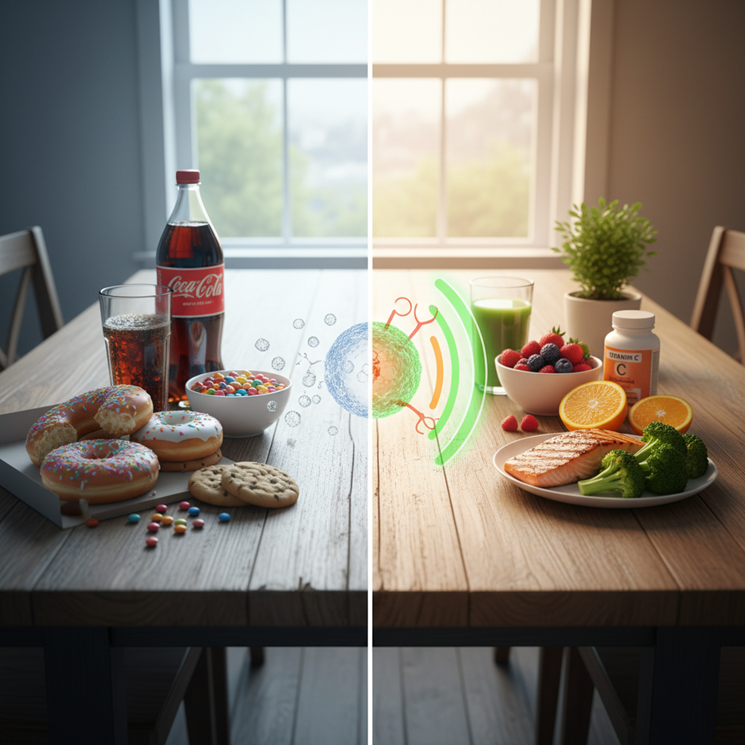
That sweet treat might offer a momentary burst of pleasure, but its impact on your immune system can be surprisingly detrimental. Excessive sugar consumption is a significant habit that can weaken your immune system over time.
How Sugar Impacts White Blood Cell Function
Research has shown that consuming too much sugar can temporarily paralyze your white blood cells – specifically phagocytes – which are responsible for engulfing and destroying bacteria and viruses. This immune suppression effect can last for several hours after consuming a sugary meal or drink. Imagine your body's defense system being put on pause just when it needs to be most vigilant.
The 30-60 Minute Immune Suppression Effect
Studies indicate that the immune-suppressing effects of sugar can begin within 30 minutes of consumption and last for up to five hours. This means that if you're constantly snacking on sugary foods throughout the day, your immune cells might be operating at a reduced capacity for a significant portion of your waking hours, leaving you more vulnerable.
Hidden Sugars in "Healthy" Foods
The problem isn't just obvious culprits like candy and soda. Many seemingly healthy foods are loaded with hidden sugars:
- Yogurts: Flavored yogurts often contain more sugar than a candy bar.
- Granola bars: Marketed as healthy, many are sugar bombs.
- Breakfast cereals: Even "whole grain" options can be high in added sugars.
- Sauces and dressings: Ketchup, BBQ sauce, and salad dressings are common sources.
- Fruit juices: Lack the fiber of whole fruit, leading to a rapid sugar spike.
Practical Tip: Daily Sugar Limits and Swaps
The American Heart Association recommends limiting added sugar intake to no more than 25 grams (6 teaspoons) per day for women and 36 grams (9 teaspoons) for men.
- Read labels: Become a detective and check the "added sugars" content.
- Opt for whole foods: Prioritize fruits, vegetables, lean proteins, and whole grains.
- Sweeten naturally: Use small amounts of honey, maple syrup, or stevia, or rely on the natural sweetness of fruits.
- Hydrate with water: Replace sugary drinks with plain water, sparkling water with a squeeze of lemon, or unsweetened tea.
3. Chronic Stress
In our fast-paced world, stress has become a constant companion for many. While acute stress (like narrowly avoiding an accident) can temporarily boost immunity, chronic, long-term stress is a powerful factor that can severely weaken your immune system.
Cortisol's Effect on Immune Response
When you're stressed, your body releases hormones like cortisol. In short bursts, cortisol can be beneficial, helping to manage inflammation. However, when stress is chronic, cortisol levels remain elevated. This sustained high cortisol suppresses the immune system by reducing the production of lymphocytes (white blood cells that help fight off infection) and making your immune cells less responsive to threats. It's like having your body's alarm system constantly blaring, eventually making it ignore real dangers.
Difference Between Acute and Chronic Stress
- Acute Stress: A sudden, short-term stressor (e.g., a deadline, a public speech). The body's "fight or flight" response kicks in, temporarily enhancing some immune functions to prepare for potential injury.
- Chronic Stress: Persistent, long-term stress (e.g., job pressure, relationship problems, financial worries). This type of stress keeps cortisol levels high, leading to the detrimental effects on immunity described above. It also promotes chronic inflammation, a known contributor to many diseases.
How Modern Life Keeps Us in Constant "Fight or Flight"
Modern life often means we're constantly bombarded with stressors:
- Work pressure: Demanding jobs, long hours, job insecurity.
- Information overload: Constant notifications, news cycles, social media.
- Financial worries: Cost of living, debt.
- Relationship issues: Family conflicts, social isolation.
- Lack of downtime: Always "on," rarely truly relaxing.
Practical Tip: 2-3 Stress Management Techniques
Incorporating stress management into your daily routine is crucial for immune health.
- Mindfulness and Meditation: Even 10-15 minutes a day can significantly reduce cortisol levels.
- Deep Breathing Exercises: Techniques like box breathing can quickly calm your nervous system.
- Regular Physical Activity: Exercise is a powerful stress reliever (more on this next!).
- Nature Exposure: Spending time outdoors has been shown to reduce stress and improve mood.
- Social Connection: Nurturing relationships provides emotional support and reduces feelings of isolation.
Quick Check: Signs of Chronic Stress
- Do you feel constantly overwhelmed or anxious?
- Do you have trouble sleeping or wake up feeling unrested?
- Do you experience frequent headaches, muscle tension, or digestive issues?
- Do you find yourself easily irritated or losing your temper?

4. Lack of Physical Activity
While it might seem counterintuitive, a sedentary lifestyle is another habit that can weaken your immune system. Our bodies are designed to move, and when we don't, our immune defenses suffer.
How Exercise Mobilizes Immune Cells
Regular, moderate exercise acts like a natural immune booster. It increases the circulation of immune cells, such as natural killer cells and T-cells, making them more efficient at patrolling the body and detecting pathogens. Exercise also helps reduce inflammation and can improve the body's response to vaccines. It essentially gives your immune system a "tune-up."
Sedentary Lifestyle and Inflammation
A lack of physical activity contributes to chronic low-grade inflammation throughout the body. This persistent inflammation can exhaust the immune system, making it less effective when a real threat emerges. Furthermore, sedentary behavior is linked to obesity, which itself is a state of chronic inflammation and can impair immune function.
Finding the Right Balance (Not Too Much, Not Too Little)
It's important to note that while moderate exercise is beneficial, extreme, high-intensity, and prolonged exercise (like marathon training without adequate recovery) can temporarily suppress the immune system. The key is balance.
- Moderate exercise: Brisk walking, cycling, swimming, dancing.
- Avoid overtraining: Listen to your body and ensure adequate rest and recovery.
Practical Tip: Minimum Effective Dose of Movement
You don't need to become an Olympic athlete to reap the immune benefits of exercise.
- Aim for 150 minutes of moderate-intensity aerobic activity per week: This can be broken down into 30 minutes, five days a week.
- Incorporate strength training: Two days a week can help maintain muscle mass and metabolic health.
- Break up long periods of sitting: Stand up, stretch, or take a short walk every hour.
- Find activities you enjoy: Consistency is key, so choose something you'll stick with.

5. Poor Gut Health
Often called our "second brain," the gut plays an incredibly central role in our overall health, especially our immune system. If your gut health is compromised, it's almost guaranteed to weaken your immune system.
70% of Immune System Lives in the Gut
It's a staggering statistic: approximately 70% of your immune system resides in your gut. This is because your gut lining is a major barrier against pathogens entering your bloodstream, and the trillions of bacteria living there (your microbiome) directly interact with immune cells. A healthy, diverse gut microbiome trains and modulates your immune responses, helping it distinguish between harmful invaders and harmless substances.
Antibiotics, Processed Foods, and Gut Microbiome
Several modern factors can disrupt this delicate gut ecosystem:
- Antibiotics: While life-saving, antibiotics kill off beneficial bacteria along with the bad, leading to dysbiosis (imbalance).
- Processed foods: High in sugar, unhealthy fats, and artificial ingredients, these foods feed harmful bacteria and reduce microbial diversity.
- Lack of fiber: Fiber is essential food for beneficial gut bacteria. A diet low in fiber starves these crucial microbes.
- Stress: As mentioned earlier, chronic stress also negatively impacts gut health.
Connection Between Gut Diversity and Immune Resilience
A diverse gut microbiome, rich in various species of bacteria, is associated with a stronger, more balanced immune system. When gut diversity is low, or when harmful bacteria outnumber beneficial ones, it can lead to:
- Increased gut permeability ("leaky gut"): Allowing toxins and undigested food particles to enter the bloodstream, triggering systemic inflammation.
- Reduced immune response: Your immune cells become less effective at fighting off infections.
- Higher risk of autoimmune conditions: The immune system can become confused and start attacking healthy body tissues.
Practical Tip: Gut-Friendly Habits
Nourishing your gut is one of the most powerful ways to boost immune system function.
- Eat a diverse, whole-food diet: Focus on a wide variety of fruits, vegetables, legumes, and whole grains.
- Increase fiber intake: Aim for 25-38 grams of fiber daily from plant-based sources.
- Include fermented foods: Incorporate kimchi, sauerkraut, kefir, and unsweetened yogurt for natural probiotics.
- Consider prebiotics: Foods like garlic, onions, asparagus, and bananas feed beneficial gut bacteria.
- Limit processed foods and added sugars: These are detrimental to gut health.
- Stay hydrated: Water is essential for digestive health.
Quick Check: Signs of Gut Imbalance
- Do you frequently experience bloating, gas, or irregular bowel movements?
- Do you have unexplained fatigue or brain fog?
- Do you crave sugar or refined carbohydrates?
- Do you notice skin issues like acne or eczema?
The Good News: Small Changes, Big Impact
It might feel overwhelming to realize how many daily habits can weaken your immune system, but here's the empowering truth: your immune system is incredibly resilient and responsive. It's not a fixed entity; it's dynamic and constantly adapting. This means that even small, consistent changes to your daily routine can have a profound positive impact on your immune health.
You don't need to be perfect overnight. The goal isn't to eliminate every single sugar molecule or meditate for hours daily. Instead, focus on progress, not perfection. Each healthy choice you make, whether it's getting an extra hour of sleep, swapping a sugary drink for water, or taking a brisk walk, sends a positive signal to your immune cells. These incremental improvements accumulate, gradually strengthening your body's defenses. Think of it as consistently depositing small amounts into your immune health bank account. Over time, these deposits build up, creating a robust reserve that helps you weather challenges more effectively. While these lifestyle changes are foundational, targeted supplements can also play a supportive role, helping to fill nutritional gaps and provide specific immune-boosting compounds when needed.
How to Start Strengthening Your Immunity Today
Ready to stop letting these habits weaken your immune system and start building a stronger defense? The best way to begin is not by overhauling everything at once, but by picking ONE habit to address first.
Here are simple action steps for each habit:
- Sleep: Commit to going to bed 30 minutes earlier tonight.
- Sugar: Replace one sugary drink or snack with water or a piece of fruit today.
- Stress: Take 5 minutes for deep breathing or a short walk when you feel overwhelmed.
- Activity: Stand up and stretch for 2 minutes every hour, or take a 15-minute walk during your lunch break.
- Gut Health: Add a serving of fermented food (like yogurt or sauerkraut) or a handful of berries to your diet.
As you consistently implement these changes, you might also consider immune-supporting supplements to provide an extra layer of defense. These can help ensure your body has all the essential nutrients it needs to function optimally.
Conclusion
Our daily choices wield immense power over our health, particularly our immune system. By understanding how chronic sleep deprivation, excessive sugar, unmanaged stress, a sedentary lifestyle, and poor gut health can weaken your immune system, you're already taking a crucial step towards better well-being. The journey to a stronger immune system isn't about drastic measures, but about consistent, mindful habits. You have the power to nurture your body's natural defenses. Start today, make one small change, and empower your immune system to protect you, day in and day out.
Take Action Today
Your immune system is constantly under attack, and your mouth is your body's very first line of defense. Don't wait until you're feeling run down to start caring about your health. Fortify your body's natural barriers starting right now.