
Morning Stiffness: Why It Happens and How to Fix It
Introduction
You're caught in a trap. And it's making every morning a battle.
That moment when the alarm goes off. You try to sit up, but your back screams in protest. Your knees feel locked in place. Your fingers are stiff and clumsy. If you're over 40, you've probably told yourself: "This is just aging. I have to live with it." But what if I told you that this morning pain isn't inevitable—it's a trap you've fallen into without realizing it?
This is the stiffness trap. And it's more insidious than you think.
Here's what's really happening: Your joints aren't just "getting old." They're being systematically sabotaged by mechanisms you can control. Reduced synovial fluid overnight. Inflammation peaking in the early hours. Cartilage compression from poor sleep positions. Age-related changes that accelerate without intervention. These aren't random events. They're the result of daily choices and habits that keep you trapped in a cycle of pain and limitation.
The joint health industry thrives on this trap. "Buy this pillow." "Take that supplement." "Try this cream." The solutions are endless, but the problem persists because they don't address the root mechanisms. You're spending money on bandaids while the trap tightens.
But here's the brutal truth: 95% of people with morning stiffness never discover the seven proven escapes. Not because they don't exist. But because they're looking for quick fixes instead of understanding the science behind why morning pain happens—and how to stop it immediately.
This guide breaks the trap. It reveals exactly why your joints seize up every morning, what's keeping the cycle going, and—most importantly—the seven proven escapes that actually work. You'll learn how to restore synovial fluid flow, reduce overnight inflammation, decompress your cartilage, and counteract age-related changes with simple, science-backed strategies.
If you're tired of mornings that feel like punishment, of accepting pain as your new normal, or of believing this is "just how it is"—this is where you escape the trap and reclaim your mobility.

Why Joints Get Stiff Overnight
Our bodies are incredible machines, but even the best machines need a little warm-up. When you're asleep, your joints aren't getting the same kind of attention they do during the day. Here's the science behind why you experience morning joint pain:
Reduced Synovial Fluid Production
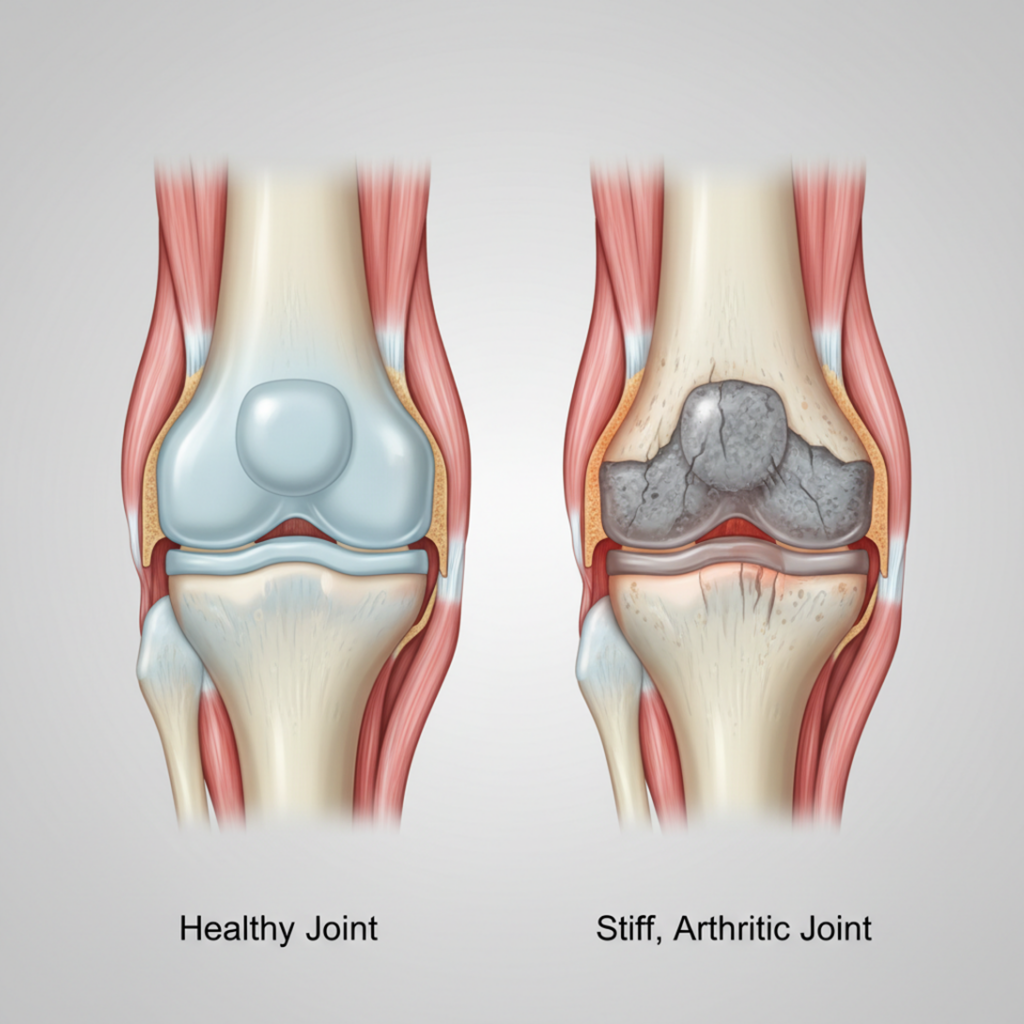
Think of your joints like hinges. Inside each joint capsule, there's a special fluid called synovial fluid. This fluid acts as a lubricant, reducing friction between the bones and providing nutrients to the cartilage. During sleep, when your body is at rest and not moving, the production and circulation of this fluid slow down significantly. It's like engine oil that's been sitting overnight – it needs to circulate to become effective. Without constant movement, the fluid becomes thicker and less effective, leading to that feeling of stiff joints in morning.
Inflammation and Immune Activity
For many, especially those with inflammatory conditions like rheumatoid arthritis (RA), inflammation plays a significant role in morning stiffness. Inflammatory markers, called cytokines, can accumulate in the joints during periods of rest. Our body's immune system also follows a circadian rhythm, with certain inflammatory processes peaking in the early morning hours. This is why conditions like RA often cause the most severe stiffness and pain right after waking up.
Lack of Movement
This is perhaps the most straightforward reason. You spend 6-8 hours (hopefully!) relatively still. This prolonged lack of motion allows muscles to tighten and fascia (the connective tissue surrounding muscles) to stiffen. Joints are designed for movement; they thrive on it. As the old adage goes, "motion is lotion." When you don't move, your joints don't get the lubrication and circulation they need, contributing to morning joint pain.
Cartilage Compression
Lying in one position for an extended period can compress certain joints, particularly those bearing some weight or pressure, even in sleep. This compression can temporarily alter the distribution of fluid within the cartilage. When you finally stand up, it takes time for the fluid to redistribute and for the cartilage to re-equilibrate, leading to a temporary feeling of stiffness.
Age-Related Changes
As we age, our bodies undergo natural changes. The cartilage that cushions our joints can thin, and its water content may decrease, making it less resilient. The production of synovial fluid can also become less efficient. While these are natural parts of the aging process, they don't mean inevitable suffering. Understanding these changes allows us to implement strategies to mitigate their effects and reduce why your joints are stiff in the morning.
Refueliving Top Pick for Joint Relief
You don't have to accept daily stiffness as a "normal" part of getting older. To help nourish your cartilage and replenish joint fluid at the source, we strongly recommend making Joint Genesis part of your daily routine.
7 Ways to Reduce Morning Stiffness
You don't have to accept morning stiffness as your fate. Small, consistent changes can make a huge difference in how you feel when you greet the day. Here are 7 effective strategies:
1. Gentle Movement Before Getting Out of Bed
This is perhaps the simplest yet most effective tip. Before you even swing your legs over the side of the bed, perform a few minutes of gentle movements.
- Ankle circles: Rotate your ankles 10 times in each direction.
- Knee bends: Gently bend and straighten your knees, sliding your heels towards your glutes.
- Wrist rotations: Circle your wrists and gently clench and unclench your fists.
- Arm stretches: Reach your arms overhead and gently stretch your torso. This takes just 2-3 minutes but helps to get that synovial fluid circulating and warms up your muscles before they bear your body weight.
2. Heat Therapy
Heat is a fantastic way to increase blood flow and relax tight muscles.
- Warm shower: A warm shower or bath first thing in the morning can work wonders. Let the warm water hit your stiff areas.
- Heating pad: Apply a heating pad to particularly stiff joints (like your lower back or knees) for 10-15 minutes before you start moving.
- Heated mattress pad or electric blanket: These can keep your body warm throughout the night, preventing excessive stiffness.
3. Stay Hydrated
Dehydration can make your synovial fluid thicker and less effective.
- Drink water before bed: Have a small glass of water an hour or so before bed (don't overdo it to avoid midnight bathroom trips).
- Water first thing: Keep a glass of water by your bedside and drink it immediately upon waking.
- Consistent hydration: Ensure you're drinking enough water throughout the day. Proper hydration is crucial for overall joint health and lubrication.
4. Anti-Inflammatory Evening Routine
What you eat (or don't eat) in the evening can impact morning inflammation.
- Avoid inflammatory foods: Try to limit sugar, processed foods, and excessive alcohol at dinner. These can contribute to systemic inflammation.
- Consider anti-inflammatory teas: Turmeric or ginger tea in the evening can have a soothing, anti-inflammatory effect.
- Light dinner: Opt for a lighter meal earlier in the evening to allow your body to focus on repair during sleep, rather than heavy digestion.
5. Optimize Sleep Position
How you sleep can put undue stress on your joints.
- Pillow support: Use pillows to support your joints. If you're a side sleeper, place a pillow between your knees. If you sleep on your back, a pillow under your knees can help.
- Avoid prolonged positions: Try to shift positions occasionally throughout the night if possible, to prevent prolonged compression of certain joints.
- Mattress firmness: Ensure your mattress provides adequate support for your joints. Too soft or too firm can exacerbate stiffness.
6. Morning Stretch Routine (5-10 minutes)
Once you're out of bed, a gentle stretching routine can further improve flexibility.
- Cat-cow stretch: Great for spinal mobility.
- Knee-to-chest pulls: Gently bring one knee, then the other, towards your chest while lying on your back.
- Shoulder rolls and arm circles: Loosen up your upper body.
- Hip circles and leg swings: Improve hip mobility. Remember: Never force a stretch, and avoid bouncing. Move slowly and gently into each position.
7. Supportive Supplements
Certain supplements can provide valuable support for joint health, addressing inflammation and cartilage integrity.
- Glucosamine and Chondroitin: These are building blocks of cartilage and can help reduce pain and improve function, especially for osteoarthritis.
- Omega-3s: Found in fish oil, these fatty acids are powerful anti-inflammatories that can reduce joint swelling and pain.
- Turmeric/Curcumin: A natural anti-inflammatory, curcumin (the active compound in turmeric) can be as effective as some NSAIDs for joint pain, without the side effects. Look for formulations with piperine for better absorption.
- Collagen: Type II collagen, in particular, can help support cartilage structure and reduce joint discomfort.
- Vitamin D: Essential for bone health, Vitamin D also plays a role in immune function and can indirectly support joint health. Important: Quality matters, and consistency matters more. Always choose high-quality supplements from reputable brands and consult with a healthcare professional before starting any new supplement regimen.
What NOT to Do
Sometimes, what you avoid doing is just as important as what you do. Here are common mistakes that can make morning stiffness worse:
Don't Jump Out of Bed Immediately
Resist the urge to spring out of bed the moment your alarm rings. Your joints are cold and stiff, and sudden, forceful movements can lead to pain or even injury. Give your body a few minutes to gently wake up and get the blood flowing. The gentle movements mentioned above are perfect for this.
Don't Ignore Persistent Stiffness
While occasional morning stiffness is common, if it lasts for more than 30 minutes, is accompanied by swelling, redness, or warmth, or significantly interferes with your daily activities, it's a red flag. This could indicate an underlying condition like arthritis (rheumatoid or osteoarthritis progression) or another inflammatory issue. Pattern matters – track when and where your stiffness occurs. Early intervention often leads to better outcomes.
Don't Rely Solely on Pain Medication
Over-the-counter NSAIDs (like ibuprofen) can provide temporary relief from morning joint pain, but they only mask the symptoms. They don't address the root cause of the stiffness. Long-term use of these medications can also come with side effects, including digestive issues and kidney problems. Focus on lifestyle changes and supportive therapies first.
Don't Stay Sedentary
It might seem counterintuitive, but the "rest makes it worse" paradox is very real for joint stiffness. While rest is important for recovery, prolonged inactivity allows joints to stiffen further. A sedentary lifestyle accelerates joint decline and reduces the natural lubrication process. Gentle, consistent movement is key to reducing stiffness and maintaining joint health.
Quick Morning Routine for Stiff Joints
Here’s a simple 5-minute routine you can do every morning to combat stiff joints in morning:
In Bed (2 minutes):
- Ankle circles: 10 circles clockwise, then 10 counter-clockwise for each foot.
- Knee bends: Gently slide one heel towards your glutes, then straighten. Repeat 5-10 times per leg.
- Wrist and finger wiggles: Gently rotate your wrists and open/close your hands 10 times.
Sitting on Edge of Bed (1 minute):
- Shoulder rolls: Roll your shoulders forward 10 times, then backward 10 times.
- Neck stretches: Gently tilt your head side to side, then look over each shoulder.
- Deep breathing: Take 3-5 slow, deep breaths to activate your parasympathetic nervous system.
Standing (2 minutes):
- Gentle marching in place: Lift your knees slightly, swinging your arms gently.
- Hip circles: Place hands on hips, gently circle hips 5 times each direction.
- Arm swings: Swing arms gently forward and backward, then side to side.
This quick routine will help you transition from sleep to activity with much less discomfort.

When to See a Doctor
While many cases of morning stiffness can be managed with lifestyle changes, it's crucial to know when to seek professional medical advice. Don't hesitate to consult your doctor if you experience any of the following warning signs:
- Stiffness lasting more than 1 hour: This is a key indicator that your stiffness might be more than just typical morning creakiness.
- Joint swelling, redness, or warmth: These are signs of inflammation that require medical evaluation.
- Stiffness in multiple joints simultaneously: Especially if it's symmetrical (e.g., both hands, both knees).
- Fever accompanying joint stiffness: This could indicate an infection.
- Stiffness that worsens despite lifestyle changes: If your efforts aren't yielding results, a doctor can investigate further.
- History of joint injury or autoimmune conditions: These factors increase your risk for more serious joint issues.
- Stiffness interfering with daily activities: If it's impacting your ability to work, exercise, or enjoy life, it's time for a professional opinion.
These symptoms may indicate conditions such as:
- Rheumatoid arthritis
- Osteoarthritis progression
- Other inflammatory conditions
- Infection (rare but serious)
Conclusion
Morning stiffness is a common experience, but it doesn't have to define your mornings. By understanding why your joints are stiff in the morning and implementing consistent, practical strategies, you can significantly reduce discomfort and improve your mobility. Remember, consistency beats intensity when it comes to joint health. Movement truly is medicine, and supporting your body with proper nutrition and targeted supplements can make a world of difference. Listen to your body, make small changes, and you'll be well on your way to greeting each day with greater ease and comfort.
Ready to support your joints from the inside out?
The Final Word
Living with daily stiffness is a choice, not a life sentence. By nourishing your joints with the right science-backed compounds, you can regain your mobility and get back to doing what you love without the constant ache.
And if you have no further questions about this product, proceed directly to the bottom of the next page to order yours!