
Introduction
You're caught in a trap. And it's stealing your mornings.
You go to bed at a reasonable hour. You get what you think is enough sleep—maybe even 8 hours. You wake up, hit the snooze button, and drag yourself out of bed feeling like you never really rested. The fog in your brain. The heaviness in your body. The coffee that barely touches the exhaustion. If you're over 30, you've probably accepted this as "just how it is now." But deep down, you know something's wrong.
This is the sleep trap. And it's more common than you think.
Here's what's really happening: You're not getting the restorative sleep your body needs, even if the clock says you are. Your sleep cycles are disrupted. Your hormones are out of balance. Your body isn't repairing itself overnight. And the worst part? You're doing things every day that keep you trapped in this cycle—without even realizing it.
The sleep industry loves to complicate things. "Buy this mattress." "Take this supplement." "Track your sleep with this app." The noise is deafening, and the confusion is intentional—because confusion keeps people buying solutions that don't address the real problem.
But here's the brutal truth: 95% of people who wake up exhausted never discover the seven proven escapes. Not because they don't exist. But because they're looking in the wrong places. They're chasing more hours instead of understanding the mechanisms that are preventing quality sleep.
This is the escape plan. It's not about sleeping longer. It's about sleeping better. You'll discover why you wake up exhausted (it's not just "age" or "stress"), what's keeping you trapped (and how to break free immediately), and the seven proven escapes that actually work. You'll learn how to fix your sleep architecture, balance your hormones, optimize your environment, and rebuild your restorative cycles.
If you're tired of dragging through your mornings, of feeling like sleep is a battle you never win, or of accepting exhaustion as your new normal—this is where you escape the trap and reclaim your energy.
Sleep Cycles: The Missing Piece
To understand why you might be waking up tired, we first need to talk about how sleep actually works. It's not just one long, continuous state of unconsciousness. Instead, your body cycles through distinct stages of sleep, each lasting about 90 minutes. These are:
- Non-REM (NREM) Sleep:
- Stage 1 (N1): The lightest stage, where you drift in and out of sleep.
- Stage 2 (N2): Light sleep, where your heart rate and breathing slow, and body temperature drops. This is where you spend about half your sleep time.
- Stage 3 (N3): Deep sleep (also known as slow-wave sleep). This is the most restorative stage, crucial for physical recovery, growth, and immune function. Waking up during deep sleep is a primary cause of that groggy, disoriented feeling known as "sleep inertia."
- REM (Rapid Eye Movement) Sleep: This is the stage where most dreaming occurs. REM sleep is vital for cognitive functions like memory consolidation, learning, and emotional processing. Your brain is highly active during REM, almost as if you're awake.
Throughout the night, you typically complete 4-6 of these 90-minute cycles. The proportion of deep sleep is higher in the first half of the night, while REM sleep becomes more prominent towards morning.
The key takeaway here is that waking up during the wrong part of a sleep cycle can leave you feeling worse than if you'd slept less. If your alarm jolts you out of deep sleep, you'll experience significant sleep inertia, making you feel sluggish and disoriented. Understanding these cycles is the first step to optimizing your wake-up time.

Refueliving Top Pick for Deep Rest & Recovery
Tossing and turning doesn't just ruin your next day—it wrecks your natural recovery process. We highly recommend SleepLean to help you fall asleep faster, stay asleep all night, and optimize your metabolism while you rest.
5 Reasons You Wake Up Exhausted
Even if you're getting a full 8 hours, several factors can disrupt your sleep cycles and prevent you from reaching truly restorative sleep.
1. You're Waking Up at the Wrong Time
As mentioned, being pulled out of deep sleep is a recipe for morning grogginess. If your alarm goes off in the middle of a deep sleep stage, your brain struggles to transition to wakefulness, leading to that heavy, disoriented feeling.
Quick Tip: Aim to wake up at the end of a 90-minute sleep cycle. If you need to wake at 7 AM, try going to bed at 10 PM or 11:30 PM to complete full cycles.
2. Sleep Apnea (The Silent Energy Killer)
Sleep apnea is a serious condition where your breathing repeatedly stops and starts during sleep. These pauses can last from a few seconds to minutes and can occur 5 to 30 times or more per hour. Each time your breathing stops, your brain briefly rouses you to restart breathing, often without you ever fully waking up or remembering it.
This constant interruption prevents you from getting into deep, restorative sleep, even if you're in bed for 8 hours.
Warning Signs of Sleep Apnea:
- Loud, chronic snoring
- Gasping or choking during sleep
- Morning headaches
- Excessive daytime sleepiness
- Irritability or difficulty concentrating
If you suspect sleep apnea, it's crucial to consult a doctor.
3. Blood Sugar Crashes During Sleep
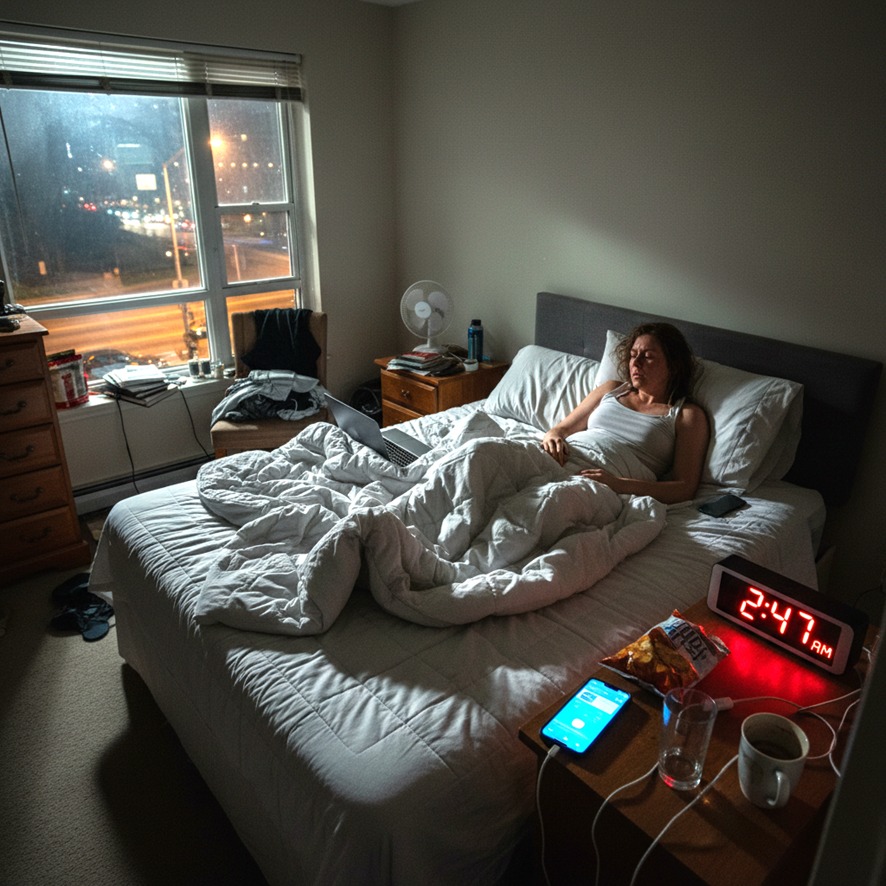
What you eat (or don't eat) before bed can significantly impact your sleep quality. If you consume a large, sugary meal late at night, your blood sugar can spike and then crash during the night. This drop in blood sugar (hypoglycemia) signals your body to release stress hormones like cortisol and adrenaline to raise glucose levels. These hormones are designed to wake you up and prepare you for "fight or flight," effectively disrupting your sleep.
Even if you don't fully wake, these hormonal surges can pull you out of deep sleep, leaving you feeling unrested.
Quick Tip: Avoid heavy, sugary meals close to bedtime. If you're hungry, opt for a light snack with protein and complex carbohydrates, like a small handful of almonds or a slice of whole-wheat toast with avocado.
4. Dehydration
You might not realize it, but your body loses water throughout the night through breathing and sweating. If you go to bed even mildly dehydrated, this can worsen during your 8 hours of sleep. Dehydration can lead to headaches, muscle cramps, and a general feeling of sluggishness, making it harder to wake up feeling refreshed.
Quick Tip: Drink a small glass of water before bed, but don't overdo it to avoid frequent bathroom trips. Ensure you're well-hydrated throughout the day.
5. Your Bedroom Is Sabotaging You
Your sleep environment plays a massive role in the quality of your rest. Even subtle disruptions can prevent you from achieving deep, restorative sleep.
- Temperature: A room that's too hot or too cold can make it difficult to fall and stay asleep. Your body temperature naturally drops during sleep, so a cool room (around 65-68°F or 18-20°C) is ideal.
- Light Exposure: Even small amounts of light can interfere with melatonin production, the hormone that signals your body it's time to sleep. Streetlights, alarm clocks, or light from electronic devices can be culprits.
- Noise Pollution: Constant background noise, whether from traffic, neighbors, or even a dripping faucet, can prevent your brain from fully relaxing and entering deep sleep.
The Quality vs. Quantity Myth
For too long, the focus has been solely on getting "8 hours of sleep." While quantity is important, sleep quality is paramount. You can spend 8 hours in bed, but if those hours are fragmented, shallow, or constantly interrupted, you'll still wake up tired.
What "Quality Sleep" Actually Means:
- Falling asleep easily: You don't toss and turn for hours.
- Staying asleep: You don't wake up frequently during the night.
- Cycling through all sleep stages: Your body gets enough deep and REM sleep.
- Waking up refreshed: You feel energized and ready for the day.
Signs Your Sleep Quality is Poor:
- Waking up feeling groggy or unrefreshed
- Daytime fatigue or excessive sleepiness
- Difficulty concentrating or memory problems
- Irritability or mood swings
- Needing caffeine to function throughout the day
- Frequent headaches or body aches in the morning
How to Wake Up Refreshed: 5 Practical Steps
Ready to reclaim your mornings? Here are actionable steps you can take to improve your sleep quality and wake up feeling truly refreshed.
Step 1: Time Your Sleep in 90-Minute Cycles
This is a game-changer. Instead of aiming for a strict 8 hours, calculate your bedtime based on when you need to wake up, in 90-minute increments.
- Example: If you need to wake up at 7:00 AM, count back in 90-minute blocks:
- 7:00 AM - 90 min = 5:30 AM (too short)
- 5:30 AM - 90 min = 4:00 AM (still too short)
- 4:00 AM - 90 min = 2:30 AM
- 2:30 AM - 90 min = 1:00 AM
- 1:00 AM - 90 min = 11:30 PM
- 11:30 PM - 90 min = 10:00 PM
- 10:00 PM - 90 min = 8:30 PM
So, if you need 7.5 to 9 hours of sleep, aim to go to bed at 10:00 PM or 11:30 PM. This increases your chances of waking up at the end of a light sleep cycle.
Step 2: Optimize Your Sleep Environment
Turn your bedroom into a sleep sanctuary.
- Temperature: Keep your room cool, ideally between 65-68°F (18-20°C).
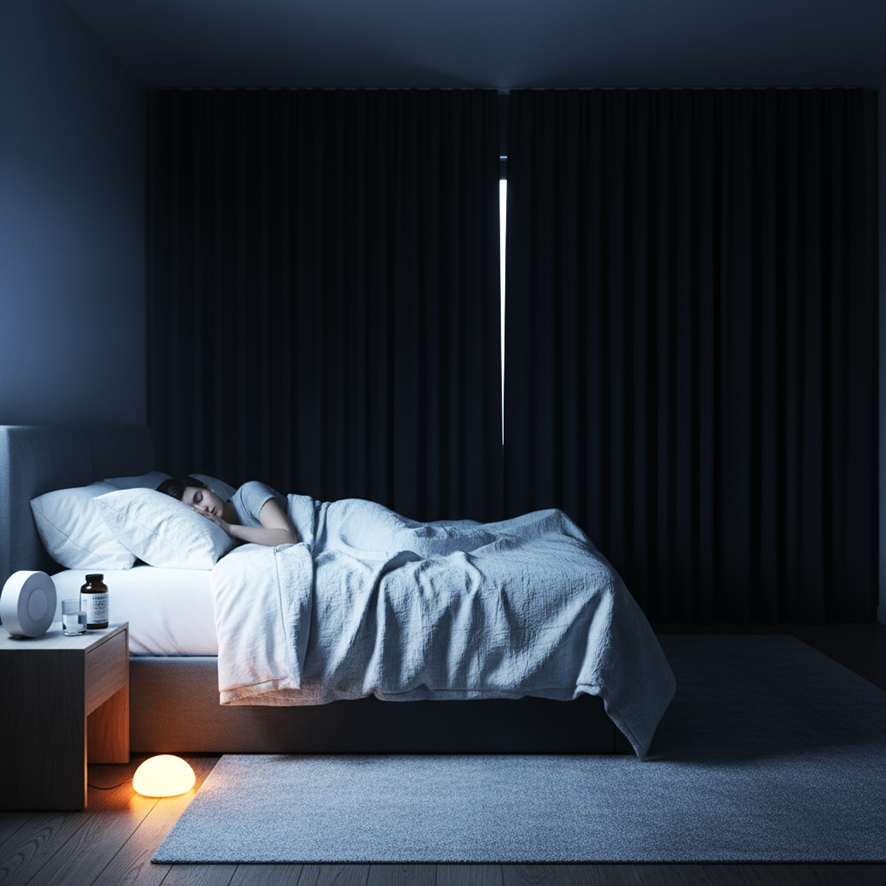
- Darkness: Block out all light. Use blackout curtains, an eye mask, or cover any glowing electronics. Even a tiny bit of light can disrupt melatonin.
- Quiet: Minimize noise. Use earplugs, a white noise machine, or a fan to create a consistent, soothing sound.
Step 3: Watch What You Consume Before Bed
Be mindful of what you put into your body, especially in the hours leading up to sleep.
- Caffeine: Avoid caffeine after 2 PM. It has a long half-life and can stay in your system for hours.
- Alcohol: While it might make you feel drowsy, alcohol fragments sleep, particularly REM sleep, leading to poorer quality rest. Avoid it at least 3 hours before bed.
- Heavy Meals: Give your body time to digest. Finish eating 2-3 hours before sleep. If you're truly hungry, a small, balanced snack (like a banana or a few walnuts) is better than going to bed starving.
Step 4: Stay Hydrated (But Not Too Much)
Hydration is key for overall health, including sleep.
- Drink plenty of water throughout the day.
- Have a small glass of water an hour or so before bed.
- Avoid chugging large amounts of water right before lying down, as this can lead to inconvenient bathroom trips that interrupt your sleep.
Step 5: Consider Sleep Support Supplements
For many, natural sleep support supplements can provide that extra nudge towards better sleep quality. These aren't sedatives, but rather ingredients that help your body relax and support its natural sleep processes.
- Magnesium Glycinate: Helps relax muscles and calm the nervous system.
- L-Theanine: An amino acid found in green tea that promotes relaxation without drowsiness.
- Valerian Root: A traditional herb known for its calming properties.
- Melatonin: A hormone that regulates sleep-wake cycles, best used for occasional sleep issues or adjusting to new time zones.
- Natural Sleep Aid Blends: Often combine several of these ingredients for a synergistic effect.
Struggling with sleep quality? Explore our natural sleep support supplements at Refueliving.com/shop/sleep-support
When to See a Doctor
While lifestyle changes and supplements can make a significant difference, some underlying medical conditions require professional attention. Consult your doctor if you experience:
- Persistent fatigue despite consistent efforts to improve sleep.
- Loud, chronic snoring, gasping, or choking during sleep (potential sleep apnea).
- Frequent morning headaches.
- Difficulty staying asleep or falling asleep for prolonged periods.
- Excessive daytime sleepiness that interferes with daily activities.
Conclusion
Waking up tired after 8 hours of sleep is a frustrating but solvable problem. The key lies in shifting your focus from mere sleep quantity to sleep quality. By understanding your sleep cycles, optimizing your environment, being mindful of what you consume, and considering natural support, you can make significant strides toward waking up refreshed and energized.
Start with one or two tips that resonate most with you, implement them consistently, and build from there. Small changes can lead to big improvements in your overall well-being. Remember, better sleep doesn't just mean more energy; it means better focus, improved mood, stronger immunity, and ultimately, a better life.
Your Next Step
Ignoring poor sleep doesn't just make you tired—it wrecks your metabolism and destroys your body's ability to recover. Give your body the deep, restorative rest it desperately needs to function at its peak.