
You’ve been told a lot about protein. But most of it is wrong.
The fitness industry loves to complicate things. “Eat 1 gram per pound of body weight.” “Time your protein around your workouts.” “Choose only grass-fed, organic sources.” The noise is deafening, and the confusion is intentional—because confusion keeps people buying supplements they don’t need and following plans that don’t work.
Here’s the truth: protein isn’t complicated. But most diets miss it entirely.
This is the real problem. People cut calories aggressively, eliminate entire food groups, and wonder why they’re constantly hungry, losing muscle, and regaining weight within months. They’re not failing. The diet is failing them. And the missing piece is almost always protein.
When you understand protein’s actual role in your body—how it preserves muscle during weight loss, how it keeps you satisfied longer, how it boosts your metabolism—everything changes. You stop fighting your body. You start working with it.
But here’s what most diets get wrong: They focus on calories alone and ignore the macronutrient that matters most for sustainable fat loss. They don’t teach you the actual amount you need (it’s probably more than you think). They don’t explain why protein timing matters. And they certainly don’t show you how to hit your targets without obsessing over every meal.
This guide decodes protein. It reveals the proven formula that actually works—not the complicated version the supplement industry wants you to believe, but the science-backed approach that delivers real results. You’ll learn exactly how much protein you need based on your goals, how to distribute it throughout your day for maximum satiety, which sources actually matter, and how to build a sustainable eating plan that finally makes sense.
If you’re tired of conflicting advice, of feeling constantly hungry on diets, or of regaining weight because the approach wasn’t sustainable—this is where you get clarity.
The Protein Puzzle
In the vast and often confusing world of weight loss, one piece of advice echoes consistently: “eat more protein.” From fitness enthusiasts to nutrition experts, the message is clear. But for many, this simple directive raises more questions than answers. How much is “more”? Is there such a thing as too much? And how does protein actually help you shed those stubborn pounds and keep them off?
You’re not alone if you’ve felt overwhelmed by conflicting information. The recommended daily allowance (RDA) for protein often seems low compared to what’s suggested for weight loss. This article aims to cut through the noise, providing a clear, science-backed guide to understanding protein’s crucial role in your weight loss journey. We’ll explore why it’s so effective, how to calculate your optimal intake, and practical ways to incorporate it into your daily life for sustainable results.
Refueliving Top Pick for a Healthy Metabolism
Restrictive diets almost always fail because they fight your body’s natural rhythm. Instead, support your fat-burning engine directly. We recommend the All Day Slimming Tea—a simple, science-backed daily ritual to help boost metabolism and curb cravings.
Why Protein Is Critical for Weight Loss
Protein isn’t just for bodybuilders. It’s a macronutrient powerhouse that plays several unique roles in making weight loss more effective and sustainable.
1. Enhanced Satiety and Reduced Cravings
One of protein’s most celebrated benefits is its ability to make you feel fuller for longer. This isn’t just a feeling; it’s a biological response. Protein impacts several satiety hormones:
- It helps suppress ghrelin, the “hunger hormone.”
- It increases levels of GLP-1 and PYY, hormones that signal fullness to your brain.
This hormonal dance means that a high-protein meal can significantly reduce your overall calorie intake throughout the day, making it easier to stick to a calorie deficit without feeling deprived. Studies consistently show that increasing protein intake leads to a spontaneous reduction in calorie consumption.
2. Higher Thermic Effect of Food (TEF)
Every time you eat, your body expends energy to digest, absorb, and metabolize the nutrients. This is known as the Thermic Effect of Food (TEF). Different macronutrients have different TEFs:
- Fats: 0-3% of calories consumed
- Carbohydrates: 5-10% of calories consumed
- Protein: 20-30% of calories consumed
This means that for every 100 calories of protein you eat, your body burns 20-30 calories just processing it. While this might seem small, it adds up over time, contributing to a higher overall daily calorie expenditure. It’s like a mini-workout just from eating!
3. Muscle Preservation During Calorie Deficit
When you’re trying to lose weight, your body doesn’t just burn fat; it can also break down muscle tissue, especially if your calorie intake is too low or your protein intake is insufficient. Muscle mass is metabolically active, meaning it burns more calories at rest than fat tissue.
Adequate protein intake, especially when combined with resistance training, signals to your body to hold onto its precious muscle mass. This is crucial because preserving muscle helps maintain your metabolic rate, preventing the dreaded “metabolic slowdown” often associated with dieting.
4. Support for a Healthier Metabolic Rate
As mentioned, muscle mass is a key driver of your Basal Metabolic Rate (BMR) – the calories your body burns just to stay alive. By preserving muscle during weight loss, protein helps ensure your BMR doesn’t plummet. Furthermore, the higher TEF of protein means you’re burning more calories post-meal. Together, these mechanisms contribute to a more robust metabolism, making it easier to burn fat and prevent weight regain.
Quick Check: Are you feeling constantly hungry on your current diet, or do you notice your energy levels crashing between meals? This could be a sign you need more protein.
How Much Protein Do You Actually Need?
This is where the “protein puzzle” often gets tricky. The Recommended Dietary Allowance (RDA) for protein is 0.8 grams per kilogram (g/kg) of body weight for the average sedentary adult. For a 70 kg (154 lb) person, that’s about 56 grams per day. While this is enough to prevent deficiency, it’s often insufficient for optimal weight loss and muscle preservation.
RDA vs. Optimal for Weight Loss
For individuals actively trying to lose weight, especially those who are physically active, research suggests a significantly higher intake:
- Optimal for Weight Loss: Aim for 1.6 to 2.2 grams of protein per kilogram (g/kg) of total body weight.
- If you prefer to calculate based on lean body mass (your weight minus fat mass), the range can be 2.2 to 3.0 g/kg of lean body mass, or approximately 0.7 to 1.0 grams per pound (g/lb) of lean body mass.
Why the higher amount? The increased protein helps with satiety, TEF, and muscle preservation, all of which are critical when you’re in a calorie deficit.
Calculation by Body Weight
Let’s do a quick example:
- Scenario 1: 80 kg (176 lb) individual aiming for weight loss. Using the 1.6-2.2 g/kg range: Minimum: 80 kg * 1.6 g/kg = 128 grams of protein per day
- Maximum: 80 kg * 2.2 g/kg = 176 grams of protein per day
- Scenario 2: 100 kg (220 lb) individual with 30% body fat (70 kg lean mass). Using the 0.7-1.0 g/lb of lean body mass range: Lean body mass: 70 kg * 2.20462 = 154 lbs
- Minimum: 154 lbs * 0.7 g/lb = 107.8 grams of protein per day
- Maximum: 154 lbs * 1.0 g/lb = 154 grams of protein per day
As you can see, the target can vary. A good starting point for most active individuals aiming for weight loss is often around 1 gram of protein per pound of target body weightor2 grams per kilogram of current body weight.
Quick Check: Have you calculated your daily protein target based on your current weight and goals? Knowing your number is the first step to hitting it consistently.
Protein Timing: Does It Matter?
While total daily protein intake is the most important factor, how you distribute that protein throughout the day can also offer benefits.
Distribution Across Meals
Instead of consuming a large amount of protein in one meal and very little in others, aim to spread your protein intake relatively evenly across your main meals. Research suggests that consuming 25-40 grams of protein per meal optimizes muscle protein synthesis (the process of building and repairing muscle).
This strategy also helps maximize satiety throughout the day, preventing those mid-afternoon energy dips and cravings. Think of it as a steady drip of fuel rather than one big gulp.
Before/After Workouts
The concept of an “anabolic window” immediately after a workout has been widely discussed. While the window might be larger than once thought (several hours), consuming protein before or after your workout can still be beneficial.
- Pre-workout protein: Can help reduce muscle breakdown during exercise.
- Post-workout protein: Provides the amino acids needed for muscle repair and growth.
A protein shake or a meal containing protein within an hour or two of your workout is a convenient and effective strategy.
Quick Check: Are you getting protein in every main meal? Or do you tend to front-load or back-load your protein intake?
Best Protein Sources for Weight Loss
Not all protein sources are created equal. For weight loss, focus on lean, high-quality sources that provide a complete amino acid profile without excessive calories from fat or carbohydrates.
Animal vs. Plant-Based Proteins
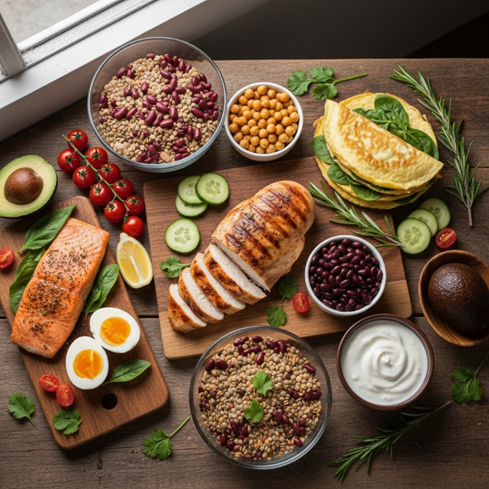
- Animal Proteins: Generally considered complete proteins, meaning they contain all nine essential amino acids your body can’t produce. They are highly bioavailable (easily absorbed and utilized). Examples: Chicken breast, turkey, lean beef, fish (salmon, tuna, cod), eggs, Greek yogurt, cottage cheese, whey protein.
- Plant-Based Proteins: Many are incomplete proteins, meaning they lack one or more essential amino acids. However, by combining different plant sources throughout the day (e.g., rice and beans), you can achieve a complete amino acid profile. Examples: Lentils, chickpeas, black beans, tofu, tempeh, edamame, quinoa, nuts, seeds, pea protein, brown rice protein.
Quality Matters
When choosing protein sources, prioritize:
- Lean cuts: Trim visible fat from meats.
- Minimal processing: Opt for whole foods over highly processed protein bars or snacks with long ingredient lists.
- Variety: Eating a diverse range of protein sources ensures you get a broad spectrum of nutrients.
Practical Examples (approximate protein content):
5 Signs You’re Not Getting Enough Protein
Your body is excellent at sending signals when something is off. If you’re consistently experiencing any of these, it might be a sign that your protein intake needs a boost:
- Constant Hunger & Cravings: If you’re always feeling hungry, even after meals, or constantly battling cravings for sugary or fatty foods, your protein intake might be too low. Protein’s satiety effect is powerful.
- Hair & Nail Issues: Protein is the building block of keratin, the primary component of hair and nails. Brittle nails, thinning hair, or excessive hair shedding can indicate a protein deficiency.
- Slow Wound Healing: Protein is essential for tissue repair and regeneration. If cuts, scrapes, or bruises seem to take an unusually long time to heal, it could be a sign of insufficient protein.
- Frequent Illness: Your immune system relies heavily on protein to produce antibodies and immune cells. A consistently low protein intake can weaken your immune response, making you more susceptible to infections. (You can learn more about immune health in our article: “7 Signs Your Immune System Needs Support”).
- Muscle Loss & Weakness: Even if you’re not actively trying to build muscle, inadequate protein during weight loss can lead to muscle wasting. You might notice a decrease in strength, general weakness, or a “flabby” appearance despite losing weight.
Quick Check: Do any of these signs resonate with you? Keeping a food diary for a few days can help you assess your current protein intake.
Can You Eat TOO Much Protein?
This is a common concern, often fueled by myths about kidney damage. For healthy individuals, the answer is generally no, it’s very difficult to eat “too much” protein in a way that causes harm.
Kidney Concerns Debunked
The myth that high protein intake damages healthy kidneys has largely been debunked by scientific research. Studies show that a high protein diet does not negatively impact kidney function in individuals with healthy kidneys. However, if you have pre-existing kidney disease, your doctor may recommend a lower protein intake, so always consult with a healthcare professional in such cases.
Practical Upper Limits
While not harmful to healthy kidneys, there are practical upper limits:
- Digestive Discomfort: Very high protein intake (e.g., over 3.0 g/kg) can sometimes lead to digestive issues like bloating, constipation, or diarrhea, especially if fiber intake is low.
- Calorie Excess: Protein still contains calories (4 calories per gram). If you consume excessive amounts, it can push you out of a calorie deficit, hindering weight loss.
- Nutrient Imbalance: Focusing too heavily on protein might mean you’re neglecting other essential macronutrients (healthy fats, complex carbohydrates) and micronutrients from fruits and vegetables.
For most people, sticking to the 1.6-2.2 g/kg range for weight loss is both effective and safe.
Quick Check: Are you concerned about your protein intake affecting your kidneys? If you have any pre-existing health conditions, always consult your doctor before making significant dietary changes.
Protein Supplements: When They Help
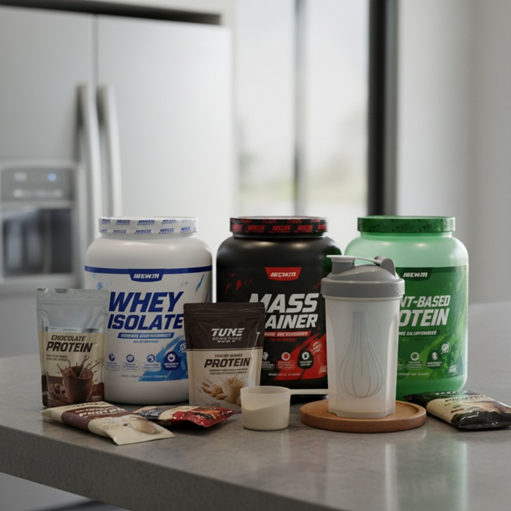
While whole food sources should always be your primary focus, protein supplements can be incredibly useful tools in your weight loss arsenal. They are not magic pills, but they offer convenience and efficiency.
1. Convenience
Life gets busy. Sometimes, preparing a protein-rich meal isn’t feasible. A protein shake can be quickly mixed and consumed, ensuring you hit your daily targets even on the go. This is especially helpful for busy professionals or those with limited time for meal prep.
2. Post-Workout Recovery
As discussed, protein after a workout aids muscle repair. A protein shake (like whey protein, which is fast-digesting) can deliver amino acids to your muscles quickly, kickstarting the recovery process.
3. Meal Replacement or Snack
For those looking to control calories and increase satiety, a protein shake or a protein bar can serve as an excellent meal replacement or a satisfying snack. They often provide a significant amount of protein with fewer calories than a traditional meal, helping you stay within your calorie goals.
Types of Protein Supplements:
Sample Daily Protein Plan
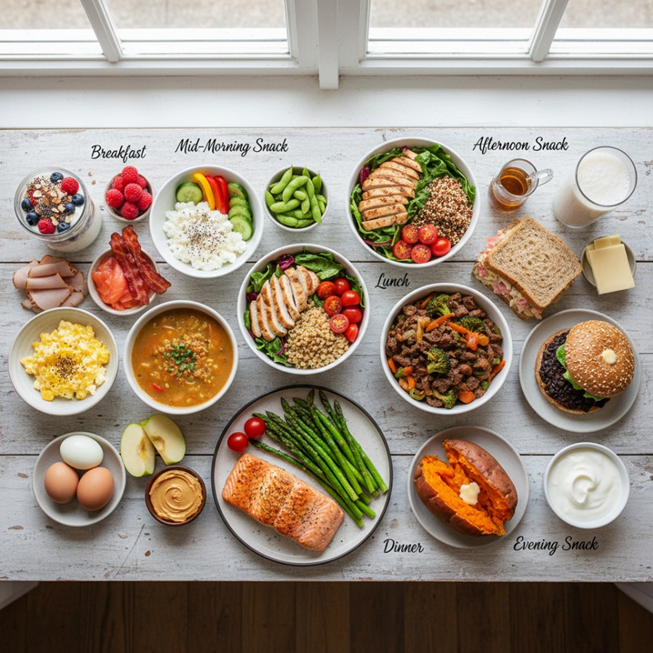
Let’s put it all together with a practical example for someone aiming for approximately 150 grams of protein per day.
- Breakfast (8:00 AM): 3 large eggs scrambled with spinach: ~18g protein
- 1 cup (227g) plain Greek yogurt: ~20g protein
- Total: ~38g protein
- Mid-Morning Snack (11:00 AM): 1 scoop protein powder mixed with water/almond milk: ~25g protein
- Total: ~25g protein
- Lunch (1:00 PM): 4 oz (113g) grilled chicken breast on a large salad with light dressing: ~35g protein
- Total: ~35g protein
- Afternoon Snack (4:00 PM): 1/2 cup (113g) cottage cheese with a few berries: ~12g protein
- Total: ~12g protein
- Dinner (7:00 PM): 5 oz (140g) baked salmon: ~30g protein
- 1 cup cooked quinoa and steamed vegetables
- Total: ~30g protein
- Evening Snack (Optional, 9:00 PM): Small handful of almonds: ~6g protein
- Total: ~6g protein
Daily Total: ~146 grams of protein. This plan distributes protein effectively across meals and includes a supplement for convenience.
Conclusion
Protein is undeniably a cornerstone of effective and sustainable weight loss. By understanding its mechanisms – enhancing satiety, boosting metabolism, and preserving muscle – you can leverage its power to achieve your goals. It’s not about deprivation, but about smart nutrition that supports your body’s natural fat-burning capabilities.
Remember, protein is a powerful tool, but it’s part of a larger picture. Combine adequate protein intake with a modest calorie deficit, regular physical activity, sufficient sleep, and stress management for the best results.
Ready to supercharge your weight loss journey and ensure you’re getting enough high-quality protein? Explore our range of premium protein supplements and weight loss support products designed to complement your healthy lifestyle.
Your Action Plan
Starving yourself isn’t a strategy; it’s a trap that ruins your metabolism. To see real, sustainable changes, you must support your body’s natural fat-burning engine. Make the smart switch to a daily ritual that works with your body, not against it.
And if you have no further questions about this product, proceed directly to the bottom of the next page to order yours!
Related articles: