
You’re caught in a trap. And you didn’t even know it was there.
It starts the same way for millions: you commit to a diet. You cut calories. You eliminate foods. For a few weeks, the scale moves. You feel hopeful. But then something shifts. The hunger becomes unbearable. Your energy crashes. You start craving the foods you “can’t” have. And eventually, you break. You regain the weight. Sometimes more than you lost.
This isn’t a failure of willpower. This is a trap.
Here’s what’s really happening: 95% of people who diet regain all the weight within 1-5 years. That’s not because they lack discipline or determination. It’s because most diets are fundamentally broken. They fight against your body’s biology instead of working with it. They ignore the complex mechanisms that govern your weight. And they fail to address the real reasons you gained weight in the first place.
The traditional “calories in, calories out” model is dangerously oversimplified. It ignores hormones like leptin and ghrelin that regulate hunger. It ignores your body’s “set point”—its natural tendency to maintain a certain weight range. It ignores stress, sleep, emotional eating, and gut health. And when you ignore these factors, you’re destined to fail.
But here’s the truth: sustainable weight loss isn’t about deprivation. It’s about escaping the trap.
This guide reveals exactly how the diet trap works—why restriction backfires, why your body fights back, and why most approaches are designed to fail. More importantly, it reveals 6 proven escapes that actually work because they align with your biology instead of fighting it. You’ll learn how to create a modest calorie deficit without triggering starvation mode, how to prioritize protein for real satiety, how to focus on food quality over obsessive counting, and how to build systems that make healthy choices automatic.
If you’re tired of the yo-yo cycle, of feeling like your body has betrayed you, or of believing that sustainable weight loss is impossible—this is where you break free from the trap.
Why Most Diets Fail
Have you ever felt caught in the frustrating cycle of losing weight, only to regain it (and sometimes more) a few months later? You’re not alone. It’s a common story, and it’s often accompanied by feelings of failure, self-blame, and a deep sense of frustration. The truth is, the vast majority of people who go on diets—a staggering 95%—regain all the weight they lost within one to five years. This isn’t a sign of your personal failing or a lack of willpower; it’s a clear indication that the traditional dieting system itself is fundamentally broken.
For decades, we’ve been told that weight loss is simply about “calories in, calories out” and that if you just try harder, you’ll succeed. This oversimplified view ignores the complex biological, psychological, and environmental factors that truly govern our weight. It sets people up for failure, leading to a cycle of restriction, deprivation, and eventual rebound. But there is a better way.
This article will dive deep into why diets fail so consistently, exploring the hidden biological and behavioral traps that undermine even the most determined efforts. More importantly, we’ll uncover what actually works for sustainable weight loss, providing you with science-backed principles to help you achieve lasting results. Our goal is to empower you with knowledge and practical strategies for how to lose weight and keep it off, fostering a healthier relationship with food and your body.

The 5 Reasons Most Diets Fail
Understanding the pitfalls of conventional dieting is the first step toward finding a path to sustainable weight loss. It’s not about blaming yourself; it’s about recognizing that many popular approaches are designed to be unsustainable.
1. They’re Too Restrictive
The allure of rapid weight loss often leads people to embrace diets that involve extreme calorie cuts. While this might yield quick initial results, it triggers your body’s ancient survival mechanisms. When calories are severely restricted, your body perceives it as a famine. It responds by slowing down your metabolism to conserve energy, making it harder to burn fat.
Simultaneously, your hunger hormones go into overdrive. Ghrelin, the “hunger hormone,” surges, while leptin, the “satiety hormone,” drops. This creates an intense, almost unbearable drive to eat, making adherence to the diet incredibly difficult. This biological backlash is a powerful force, often overwhelming even the strongest willpower.
Quick Check: Have you ever felt obsessed with food, constantly thinking about your next meal or craving forbidden foods, while on a diet?
2. They Ignore Biology
Our bodies are incredibly complex, and they have a natural tendency to maintain a certain weight range, often referred to as a “set point.” When you try to push your weight significantly below this set point through extreme dieting, your body actively fights back. It’s not just about willpower; it’s about powerful biological mechanisms.
Hormones play a critical role here. As mentioned, leptin and ghrelin regulate hunger and satiety.Insulin manages blood sugar and fat storage. When you diet, these hormones shift in ways that encourage weight regain. Your body becomes more efficient at storing fat and less efficient at burning it, making sustainable fat loss incredibly challenging if you’re constantly battling your own physiology. This biological resistance is a major reason why diets fail to deliver lasting results.
3. They’re Not Sustainable Long-Term
Many diets are designed as temporary fixes, not permanent lifestyle changes. They involve strict rules, lists of “good” and “bad” foods, and often eliminate entire food groups. The fundamental question to ask yourself about any diet is: “Can I realistically eat this way for the rest of my life?” If the answer is no, then it’s not a path to weight loss that lasts.
This “all-or-nothing” mentality often leads to a cycle of adherence, followed by inevitable “cheating,” and then feelings of guilt and failure, which can trigger overeating. True sustainable weight loss requires an approach that integrates seamlessly into your daily life, allowing for flexibility and enjoyment.
Quick Check: Could you honestly eat this way—with all its restrictions and rules—for the rest of your life without feeling deprived or burnt out?

4. They Don’t Address the Root Cause
Weight gain is rarely just about eating too much or moving too little. It’s often a symptom of deeper underlying issues that traditional diets completely ignore. Emotional eating, using food to cope with stress, boredom, or sadness, is a powerful driver of weight gain. Poor sleep quality can disrupt hormones that regulate appetite and metabolism. Unmanaged stress elevates cortisol, which promotes belly fat storage. Even gut health plays a significant role in how we process food and store fat.
If a diet only focuses on what you eat without addressing these root causes, it’s like trying to fix a leaky faucet by only mopping the floor. For how to lose weight and keep it off, you must look beyond just the food on your plate and understand the “why” behind your eating habits.
Quick Check: Do you often find yourself reaching for food when you’re stressed, tired, bored, or feeling emotional, rather than truly hungry?
5. They Focus Only on Food
The “calories in, calories out” model, while having a grain of truth, is woefully incomplete. It reduces the complex human body to a simple equation, ignoring the intricate interplay of lifestyle factors. Your sleep quality, stress levels, daily movement (beyond structured exercise), and even your environment (e.g., access to healthy food, social support) all profoundly impact your weight.
A diet that solely dictates what you can and cannot eat misses the bigger picture. Sustainable weight loss is a holistic endeavor. It requires attention to all pillars of health, not just the nutritional one. Neglecting sleep, for example, can sabotage even the most perfectly planned diet by increasing hunger and reducing metabolic efficiency.
Refueliving Top Pick for a Healthy Metabolism
Restrictive diets almost always fail because they fight your body’s natural rhythm. Instead, support your fat-burning engine directly. We recommend the All Day Slimming Tea — a simple, science-backed daily ritual to help boost metabolism and curb cravings.
What Actually Works: 6 Science-Backed Principles for Sustainable Weight Loss
Now that we understand why diets fail, let’s shift our focus to what truly creates weight loss that lasts. These principles are grounded in science and designed to workwithyour body, not against it, making sustainable fat loss an achievable reality.
Principle 1: Create a Modest Calorie Deficit
While extreme calorie restriction is detrimental, a modest calorie deficit is still necessary for weight loss. The key word here is modest. Aim for a deficit of 300-500 calories below your maintenance level. This allows for steady, consistent weight loss without triggering your body’s famine response or causing extreme hunger.
A modest deficit is far more sustainable weight loss strategy. It allows you to eat enough to feel satisfied, maintain energy levels, and avoid the intense cravings that derail stricter diets. You can estimate your maintenance calories using online calculators, then subtract 300-500. Focus on consistency over perfection.
Principle 2: Prioritize Protein
Protein is your best friend when it comes to sustainable weight loss. It’s the most satiating macronutrient, meaning it keeps you feeling fuller for longer, reducing overall calorie intake. Protein also helps preserve muscle mass during weight loss, which is crucial because muscle burns more calories at rest than fat.
Aim for25-30 grams of protein per meal. This can come from lean meats, poultry, fish, eggs, dairy, legumes, or plant-based protein sources. Research consistently shows that higher protein diets lead to greater fat loss, better appetite control, and improved body composition. This is a cornerstone for how to lose weight and keep it off.
Principle 3: Focus on Food Quality, Not Just Quantity
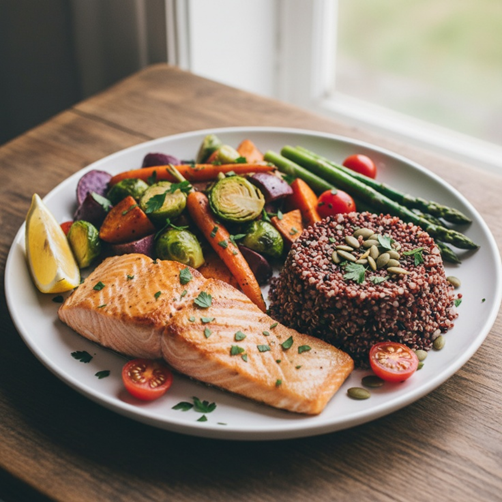
While calories matter, thesourceof those calories matters even more for sustainable weight loss. Prioritize whole, unprocessed foods like fruits, vegetables, lean proteins, healthy fats, and complex carbohydrates. These foods are rich in nutrients, fiber, and water, which promote satiety and overall health.
Processed foods, on the other hand, are often calorie-dense but nutrient-poor. They tend to be high in sugar, unhealthy fats, and artificial ingredients, which can drive overeating and inflammation. Adopt an 80/20 approach: aim for whole foods 80% of the time, allowing for occasional treats without guilt. This makes your eating plan enjoyable and truly sustainable.
Principle 4: Move Your Body (But Not to “Burn Calories”)
Exercise is vital for health, but its role in sustainable weight loss is often misunderstood. Don’t view exercise primarily as a tool to “burn off” calories; that mindset can lead to overeating or burnout. Instead, focus on moving your body for its myriad health benefits: improved mood, better sleep, increased energy, and enhanced metabolic health.
Strength training is particularly important as it helps preserve and build muscle mass, which is critical for maintaining a healthy metabolism during weight loss. Additionally, increase your NEAT (Non-Exercise Activity Thermogenesis) – simply moving more throughout your day. Take the stairs, park further away, walk during phone calls. These small movements add up and contribute significantly to your overall energy expenditure and sustainable fat loss.
Principle 5. Address Sleep and Stress
These two often-overlooked factors can completely derail your sustainable weight loss efforts. Chronic sleep deprivation (less than 7 hours per night) significantly impacts hormones that regulate appetite. Studies show that people who sleep less than 7 hours have a 55% higher risk of obesity. Lack of sleep increases ghrelin (hunger) and decreases leptin (satiety), making you crave unhealthy foods.
Similarly, chronic stress elevates cortisol, a hormone that promotes fat storage, particularly around the belly. It also increases cravings for sugary, fatty foods. Incorporate practical stress-reduction techniques like mindfulness, deep breathing, spending time in nature, or engaging in hobbies. Prioritize 7-9 hours of quality sleep each night. These are non-negotiable for how to lose weight and keep it off.
Principle 6: Build Systems, Not Willpower
Relying solely on willpower is a recipe for failure. Willpower is a finite resource that depletes throughout the day. Instead, focus on building systems and designing your environment to support your sustainable weight loss goals.
This means meal prepping healthy options, keeping tempting foods out of sight (or out of the house), planning your workouts, and creating routines that make healthy choices the default. If healthy food is readily available and unhealthy food requires effort, you’re far more likely to succeed. Surround yourself with supportive people who encourage your journey. Small, consistent actions, supported by smart systems, are far more powerful than sporadic bursts of willpower.
The Timeline Reality
Achieving sustainable weight loss is a marathon, not a sprint. The healthy and most effective rate of weight loss is typically 1-2 pounds per week. While this might seem slow compared to the promises of crash diets, it’s the rate that allows your body to adapt, minimizes muscle loss, and is most likely to be maintained long-term.
Expect plateaus; they are a normal part of the process. Your body will adjust, and progress might slow. This is not a sign of failure, but an opportunity to reassess your habits, adjust your calorie intake slightly, or increase your activity. Patience and consistency are your greatest allies. Resist the urge for quick fixes, as they almost always lead back to the frustrating yo-yo cycle. Focus on building habits that will serve you for life.

What to Do Next
Feeling overwhelmed by all this information? Don’t be. The key to sustainable weight loss is to start small and build momentum. Don’t try to overhaul everything at once.
- Start with ONE change: Pick just one principle from “What Actually Works” that resonates most with you and focus on implementing it consistently for a week or two. Maybe it’s adding protein to every meal, or ensuring you get 7 hours of sleep.
- Focus on adding, not subtracting: Instead of thinking about what you “can’t” have, think about what healthy habits you can add to your routine. Add more vegetables, add a short walk, add a glass of water.
- Celebrate small wins: Acknowledge every positive step, no matter how small. These small victories build confidence and reinforce positive behaviors, propelling you forward on your journey to weight loss that lasts.
Conclusion
The cycle of dieting and regaining weight is a frustrating reality for millions, but it’s not your fault. Most diets fail because they are too restrictive, ignore our complex biology, are unsustainable, and fail to address the root causes of weight gain. They fight against your body’s natural mechanisms, leading to inevitable rebound.
True sustainable weight loss isn’t about deprivation; it’s about workingwithyour body, understanding its signals, and building healthy habits that you can maintain for life. By focusing on a modest calorie deficit, prioritizing protein and whole foods, moving your body for health, managing stress and sleep, and building supportive systems, you can achieve sustainable fat loss and finally break free from the yo-yo cycle. This is the path to how to lose weight and keep it offf or good.
Your Action Plan
Starving yourself isn’t a strategy; it’s a trap that ruins your metabolism. To see real, sustainable changes, you must support your body’s natural fat-burning engine. Make the smart switch to a daily ritual that works with your body, not against it.
And if you have no further questions about this product, proceed directly to the bottom of the next page to order yours!
Related articles: